Nursing Care for Patients with Burns: Essential Guidelines and Best Practices
Burns are injuries to the skin or deeper tissues caused by heat, chemicals, electricity, or radiation. Because burns can damage the skin and other body parts, they need special attention. Nursing care for patients with burns is vital for healing, comfort, and preventing problems. With the right care, patients can recover faster and avoid serious risks. This guide explains the best practices for burn wound care, burn injury recovery, and burn prevention tips.
Common Types and Causes of Burns
Burns can happen in many ways. Understanding the types and causes helps in giving the right care. For example, burns are grouped by what caused them:
- Thermal burns: Caused by hot objects, flames, steam, or hot liquids.
- Chemical burns: Result from contact with strong acids or cleaning products.
- Electrical burns: Happen when electricity passes through the body.
- Radiation burns: Caused by sun exposure or medical treatments like radiation therapy.
Common causes include kitchen accidents, house fires, faulty wiring, and sunburn. In some areas, open flames or unsafe cooking methods increase the risk.
Immediate First Aid for Burn Injuries
Quick action can make a big difference after a burn. If you or someone else is burned, follow these steps:
- Remove the person from the source of the burn.
- Cool the burn with cool (not cold) running water for at least 10 minutes.
- Remove tight clothing or jewelry near the burn, but do not pull off anything stuck to the skin.
- Cover the burn with a clean, non-stick cloth or bandage.
- Do not apply ice, butter, or creams to the burn.
- Keep the person warm and calm.
- Seek medical help for large, deep, or facial burns.
Key Principles of Nursing Care for Burn Patients
Nurses play a key role in burn wound care and burn injury recovery. Their main goals are to protect the wound, ease pain, and support healing.
- Wound assessment: Nurses check the size, depth, and location of burns to plan the right care.
- Infection prevention: Using clean tools, washing hands, and changing dressings often to protect vulnerable tissue.
- Pain management: Providing prescribed medicine and gentle care to maintain patient comfort.
- Hydration: Monitoring for signs of dehydration due to fluid loss and administering fluids as needed.
- Monitoring vital signs: Checking heart rate, breathing, and temperature to spot potential complications early.
Ongoing Care and Recovery Support
After the first treatment, ongoing care is important for full recovery. Focus areas include:
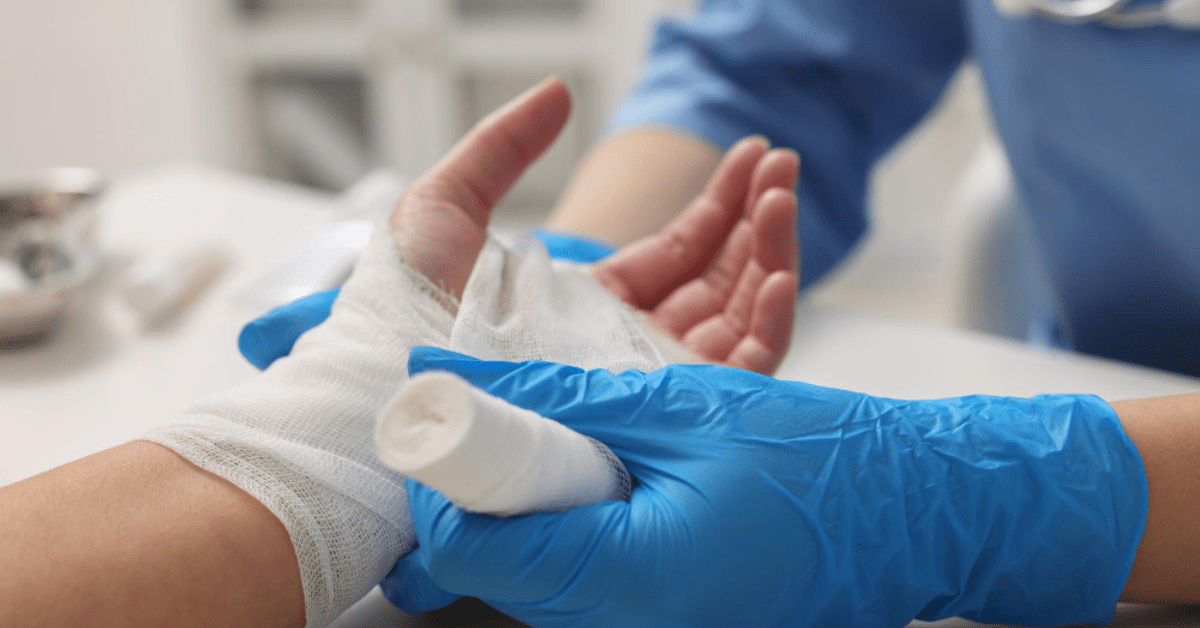
- Wound dressing: Regular changes to protect the burn and monitor progress.
- Mobility support: Gentle movement and exercise to prevent stiffness.
- Nutrition: High-protein meals and plenty of fluids to give the body energy to heal.
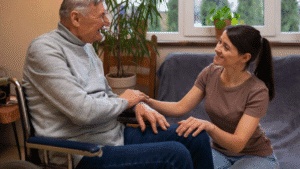
- Emotional support: Listening and offering comfort to help patients cope with the trauma of a burn.
- Patient education: Teaching families how to care for wounds and prevent future incidents.
Prevention Tips for Burn Injuries
Many burns can be prevented with simple steps:
- Keep hot liquids and sharp objects out of children’s reach.
- Install smoke alarms and check them often.
- Set water heaters to a safe temperature (below 120°F or 49°C).
- Use oven mitts and pot holders when cooking.
- Store chemicals and cleaning products safely.
- Wear sunscreen and protective clothing outdoors.
- Teach children about fire safety and emergency plans.
When to Seek Medical Attention
Seek medical help immediately if you notice:
- Burns larger than your palm
- Burns on the face, hands, feet, or groin
- Deep burns with white, charred, or leathery skin
- Signs of infection (redness, swelling, pus, fever)
- Trouble breathing or burns from electricity or chemicals
Frequently Asked Questions (FAQs)
What should I do if a burn blisters?
Do not pop the blister. Cover it with a clean bandage and keep it dry. If it breaks, clean gently and watch for infection.
How often should burn dressings be changed?
Dressings should be changed as advised by your nurse or doctor, usually once a day or when wet or dirty.
Can I use home remedies like toothpaste or butter on burns?
No, do not use home remedies. They can make burns worse or cause infection. Use cool water and seek medical advice.
Is emotional support important for burn patients?
Yes, emotional support helps patients cope with pain, stress, and changes in appearance. Nurses and families play a big role in recovery.
Professional Care at Home
In summary, professional nursing care for burn patients ensures safety, reduces pain, and promotes faster healing.
Contact us today at ORGlife Healthcare and Medical Services Pvt. Ltd. to book nursing care services at home and ensure a smooth recovery for your loved ones.