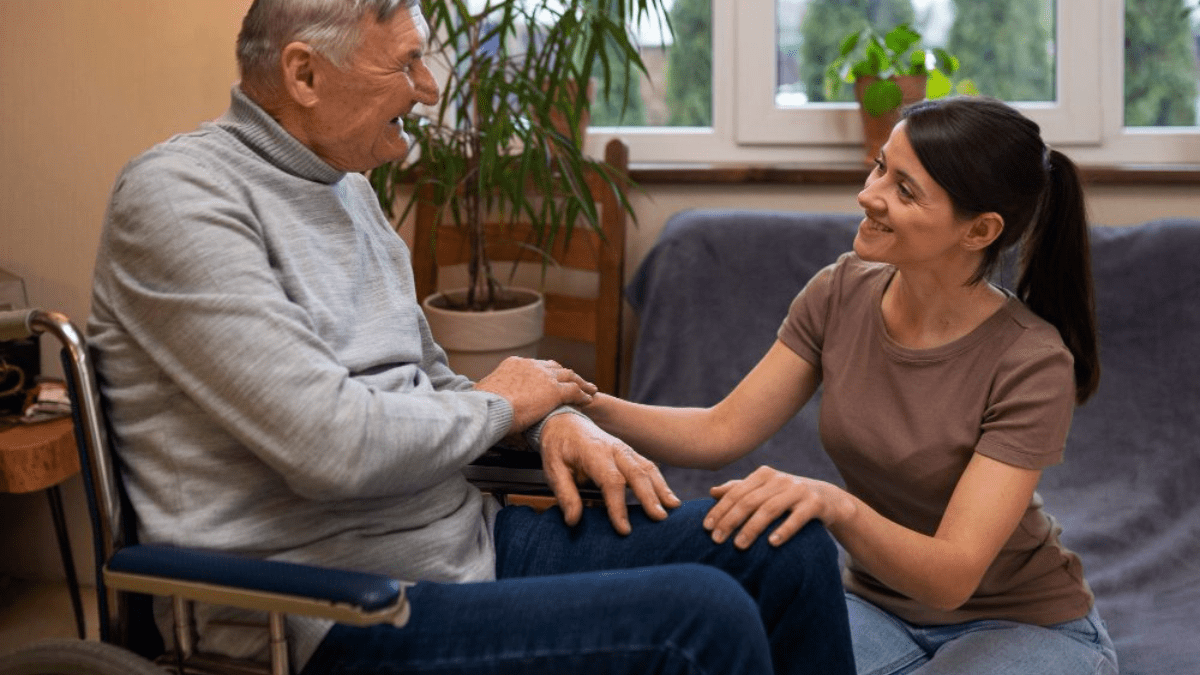
Caretaker Services for Alzheimer’s and Dementia Care: Essential Support for Patients and Families
Introduction to Alzheimer’s and Dementia
Alzheimer’s and dementia are brain conditions that affect memory, thinking, and daily life. Many families face challenges when a loved one is diagnosed. Early on, small changes may appear. Over time, these conditions can make daily tasks hard. Because of this, caretaker services for Alzheimer’s and dementia care become very important. According to the World Health Organization, over 55 million people worldwide live with dementia. Families often need extra help to keep their loved ones safe and comfortable.
The Role of Caretaker Services
Caretaker services provide support for people with memory loss. These services help with daily needs and offer comfort. For example, caretakers can help with bathing, dressing, and meals. In addition, they offer companionship and keep routines steady. Alzheimer’s home care allows patients to stay in familiar surroundings. This can reduce confusion and stress. Caretaker services also give families peace of mind, knowing their loved one is safe.
Key Responsibilities of Caretakers
Professional caretakers for memory loss have many important duties. Their main goal is to support both the patient and the family. Some key responsibilities include:
- Helping with personal care, such as bathing and grooming
- Preparing healthy meals and assisting with eating
- Giving reminders for medication and appointments
- Providing companionship and emotional support
- Keeping the home safe and tidy
- Encouraging gentle exercise and activities
- Reporting changes in health to families or doctors
Because each person is unique, caretakers adjust their care to fit individual needs.
Benefits of Professional Caretaker Support
Choosing dementia caregiver support brings many benefits. First, trained caretakers understand the special needs of memory loss patients. They know how to handle confusion or mood changes. In addition, professional support can help prevent accidents at home. Families also get a break from daily care, which reduces stress. With caretaker services, patients often feel more secure and less lonely. Most importantly, regular care can improve quality of life for everyone involved.
How to Choose the Right Caretaker Service
Finding the best caretaker service for Alzheimer’s and dementia care takes careful thought. Here are some tips to help you decide:
- Check if the service has experience with memory loss care
- Ask about staff training and background checks
- Look for flexible care plans that fit your needs
- Read reviews or ask for recommendations from doctors
- Meet with caretakers to see if they are a good match
- Make sure the service is licensed and insured
Because every family is different, take time to find the right fit.
Tips for Families Supporting Loved Ones
Families play a big role in dementia care. Even with caretaker help, your support matters. Here are some ways to help your loved one:
- Keep a simple daily routine to reduce confusion
- Use notes or pictures as reminders
- Speak slowly and use clear words
- Stay patient and offer gentle encouragement
- Take breaks and care for your own health
- Join support groups for advice and comfort
Remember, asking for help is a sign of strength, not weakness.
Prevention and Lifestyle Guidance
While there is no cure for Alzheimer’s or dementia, some steps may help lower risk. According to the CDC, healthy habits can support brain health. For example, you can:
- Eat a balanced diet with fruits, vegetables, and whole grains
- Stay active with regular exercise
- Keep your mind busy with puzzles or reading
- Stay social and connect with friends
- Manage health problems like high blood pressure or diabetes
Because early action matters, talk to your doctor about ways to protect your brain.
Conclusion
Caretaker services for Alzheimer’s and dementia care offer vital support for patients and families. With the right help, loved ones can live safely and with dignity. For personalized guidance, consult a qualified caretaker service or healthcare professional at ORGlife Healthcare and Medical Services Pvt Ltd today.