

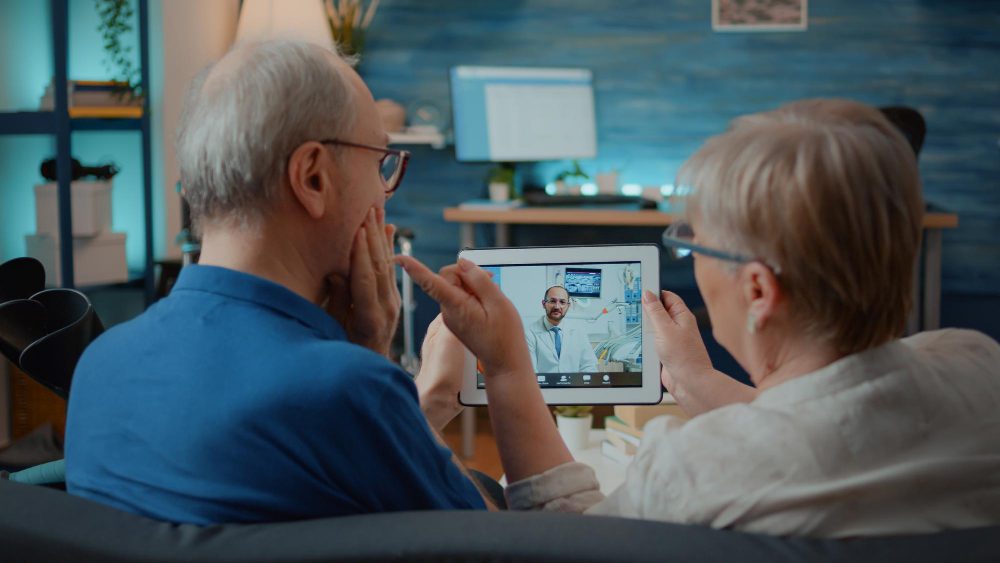
Many people now wonder why home monitoring is replacing frequent OPD visits. Over the past few years, more patients have started using home health technology. This shift helps reduce hospital visits and makes care easier. With remote patient monitoring, people can track their health from home. As a result, virtual healthcare is becoming more common. Let’s explore why this change is happening and how it can help you and your family.
What Is Home Monitoring?
Home monitoring means checking your health at home instead of going to the hospital or clinic often. For example, you might use a blood pressure machine or a blood sugar meter. These devices send your health data to your doctor. Because of this, your doctor can watch your health without you leaving home. Home monitoring is a key part of remote patient monitoring and virtual healthcare.
Reasons for the Shift from OPD Visits to Home Monitoring
There are several reasons why home monitoring is replacing frequent OPD visits. First, many people want to avoid crowded hospitals. Also, home health technology has improved a lot. Now, it is easier to use and more accurate. In addition, the COVID-19 pandemic made people more careful about going out. As a result, more patients and doctors trust remote patient monitoring.Reduces risk of infection from hospital visitsSaves time and travel costsOffers quick updates to your doctorHelps manage long-term health problems
Benefits of Home Monitoring for Patients and Families
Home monitoring offers many benefits for patients and their families. For example, you can check your health anytime. This gives you peace of mind. Moreover, you spend less time waiting at the hospital. Families also feel more involved in care. Because of these benefits, home monitoring is growing fast.Comfort of staying at homeBetter control over your healthFewer hospital visitsQuick help if problems ariseLower healthcare costs
Common Conditions Managed by Home Monitoring
Many health problems can be managed with home monitoring. For instance, people with diabetes can check their blood sugar at home. Likewise, those with high blood pressure can use a monitor to track their readings. Even heart patients can use special devices to watch their heart rate. According to the CDC, home monitoring is safe for many chronic conditions.DiabetesHigh blood pressureHeart problemsAsthma and lung diseasesRecovery after surgery
Technology and Tools Used in Home Monitoring
Today, many tools help with home monitoring. For example, smart watches can track your heart rate. Blood pressure monitors and blood sugar meters are easy to use. Some devices send your data to your doctor through an app. Because of these tools, remote patient monitoring is simple and fast.Digital blood pressure monitorsBlood glucose metersPulse oximeters (for oxygen levels)Wearable fitness trackersMobile health apps
Safety, Accuracy, and Limitations
Home monitoring is safe for most people. However, you must use devices correctly. Always follow your doctor’s advice. While most devices are accurate, some errors can happen. For example, wrong placement or low battery can affect results. According to the WHO, home monitoring should not fully replace doctor visits. It works best when combined with regular check-ups.Read instructions before using devicesCheck batteries and device settingsShare your readings with your doctorDo not ignore new or severe symptoms
Tips for Effective Home Monitoring
To get the best results, follow these tips for home monitoring. First, keep a daily record of your readings. Next, use the same device each time for consistency. Also, set reminders so you do not forget to check. If you notice any changes, tell your doctor right away. This helps your doctor adjust your care quickly.Follow your doctor’s instructionsKeep devices clean and safeRecord readings in a notebook or appAsk questions if you are unsure
When to Seek In-Person Medical Care
Even with home monitoring, you may need to visit the doctor sometimes. For example, if you have chest pain, trouble breathing, or sudden weakness, seek help right away. In addition, if your device shows very high or low readings, call your doctor. Remember, home monitoring is helpful, but it does not replace emergency care.Severe pain or discomfortSudden changes in healthDevice errors or confusionAdvice from your doctor
In summary, home monitoring is replacing frequent OPD visits for many people. It offers comfort, saves time, and helps manage health better. However, always consult a healthcare professional at Orglife Healthcare Pvt. Ltd. to learn if home monitoring is right for you.