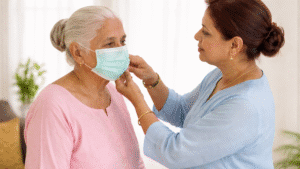
Emotional Support in Cancer Care: Why It Matters and How to Find Help
Understanding Emotional Support in Cancer Care
Emotional support in cancer care is just as important as medical treatment. When someone faces cancer, they often feel scared, sad, or overwhelmed. For this reason, emotional support helps patients and families cope with these feelings. It includes talking, listening, and sharing experiences. In fact, studies from the World Health Organization show that strong emotional support can improve recovery and well-being.
Common Emotional Challenges in Cancer
Cancer can bring many emotional challenges. Not only do patients worry about their health, but families also feel stress. Some common feelings include: Anxiety about the future, Sadness or depression, Fear of treatment or side effects, Loneliness or isolation, Anger or frustration.
Because these emotions can be strong, it is important to address them early. This helps prevent bigger problems later.
Types of Emotional Support Available
There are many ways to get emotional support in cancer care. Each person may need something different. For example, some may prefer talking to a counselor, while others like group support. Here are some common types:
- Counseling: Trained counselors or therapists help patients and families talk about their feelings.
- Support Groups: These groups let people share experiences with others who understand.
- Peer Support: Sometimes, talking with someone who has faced cancer can bring comfort.
- Family Involvement: Family members can listen, encourage, and help with daily needs.
Additionally, some hospitals offer special programs for emotional support. Always ask your care team about options.
How to Access Emotional Support Resources
Finding help is easier than you might think. Many hospitals and cancer centers have support services. For example, you can:
- Ask your doctor or nurse for referrals
- Contact local cancer organizations
- Join online support groups for cancer patients
- Look for mental health services in your area
Moreover, national groups like the American Cancer Society and Cancer Support Community offer free resources. If you live in a large city, you may find local support groups or counseling centers. Online forums and helplines are also available for those who prefer remote support.
Benefits of Emotional Support for Recovery and Quality of Life
Emotional support in cancer care brings many benefits. Not only does it help patients feel less alone, but it also improves mental health during cancer treatment. Studies show that people with strong support:
- Cope better with stress
- Have fewer symptoms of depression and anxiety
- Follow treatment plans more closely
- Enjoy a better quality of life
Therefore, emotional support can make a real difference in recovery and daily living.
Tips for Patients and Caregivers
Both patients and caregivers play a role in emotional support. Here are some helpful tips:
- Talk openly about feelings, even if it is hard
- Reach out to friends, family, or support groups
- Take breaks and practice self-care
- Encourage each other to ask for help when needed
- Use relaxation techniques, like deep breathing or gentle exercise
Above all, remember that asking for help is a sign of strength, not weakness.
Preventing Emotional Distress and When to Seek Professional Help
It is normal to feel sad or worried during cancer care. However, if these feelings last a long time or get worse, it may be time to seek professional help. Watch for signs like:
- Feeling hopeless or very sad most days
- Loss of interest in activities you once enjoyed
- Changes in sleep or appetite
- Thoughts of self-harm or suicide
If you notice these signs, talk to your doctor or a mental health professional right away. Early help can prevent bigger problems and support your recovery.
Conclusion: Take the Next Step
Emotional support in cancer care is vital for both patients and families. Because everyone’s needs are different, it is important to find the right support for you. If you or a loved one is facing cancer, consult a healthcare professional or counselor at Orglife Healthcare Pvt. Ltd. for personalized emotional support during cancer care.