
Recovering at Home After Surgery: How Professional Elder Care Speeds Up Post-Operative Healing
At-a-Glance Summary
Professional post-operative care at home helps seniors recover faster by providing medication support, mobility assistance, wound monitoring, nutrition guidance, fall prevention, and emotional companionship. Recovering in a familiar home environment often improves comfort, reduces infection risks, and lowers the likelihood of hospital readmission when guided by healthcare professionals.
Surgery marks the beginning of recovery—not the end of treatment. While hospitals provide expert surgical care, the weeks following discharge are equally important, especially for older adults. Achieving a safe, sustainable elderly recovery after surgery requires much more than simple rest. Seniors often need assistance with complex medication schedules, wound care, safe mobility, nutrition, physiotherapy, and everyday activities that suddenly become challenging.
For many families, balancing work, personal commitments, and caregiving responsibilities can be overwhelming. Without proper support, elderly patients face an increased risk of falls, infections, medication errors, delayed healing, dehydration, and even hospital readmission.
This is why home care services after surgery have become the preferred recovery option for many families across India. Professional post-operative care at home allows seniors to recover in familiar surroundings while receiving personalized support tailored to their medical needs. Instead of adjusting to hospital routines, patients benefit from one-on-one attention that promotes comfort, confidence, and independence.
Whether your loved one has undergone knee replacement surgery, hip replacement, cardiac surgery, abdominal surgery, or another major procedure, choosing the right elder care at home can significantly influence the speed and quality of recovery.
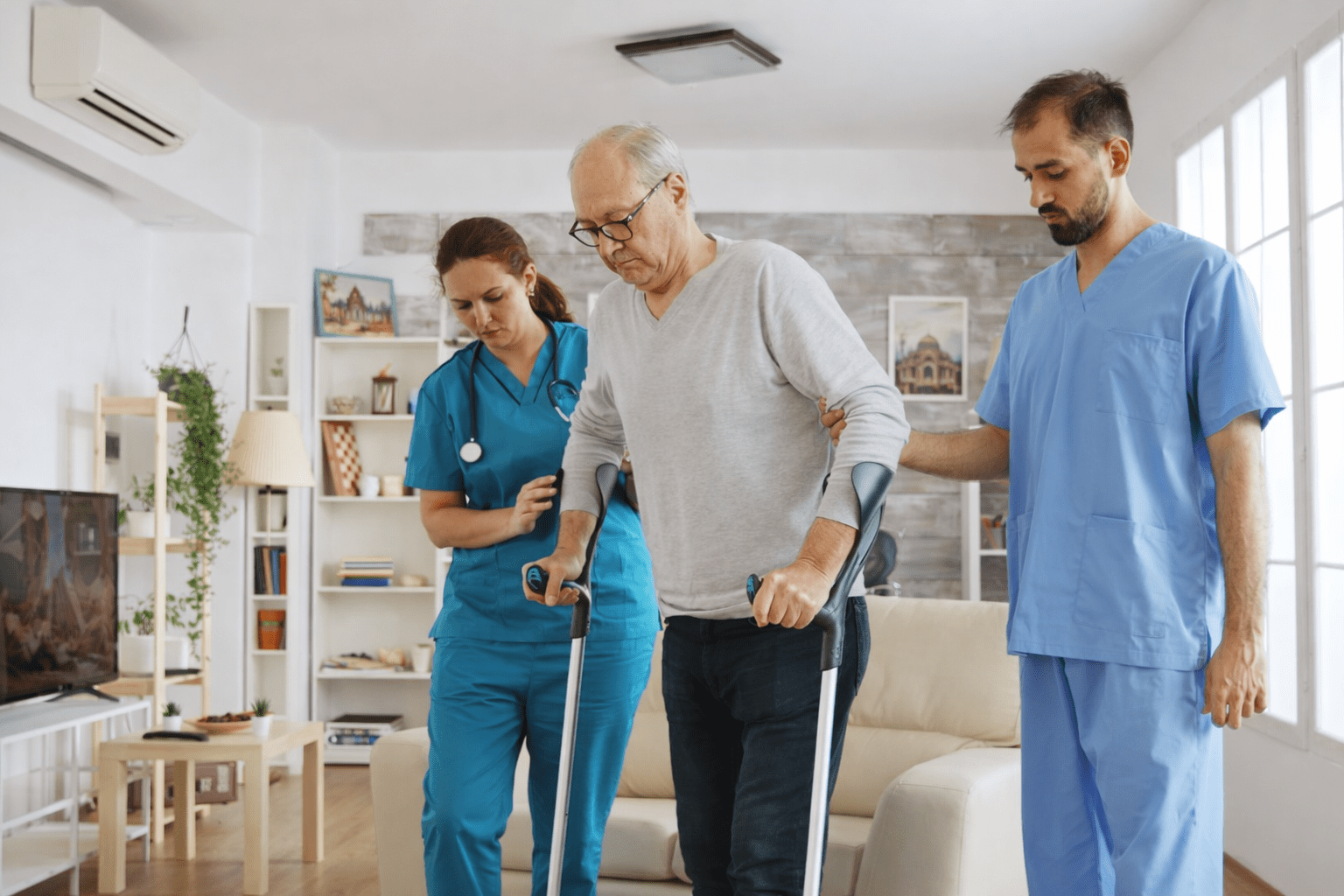
A trained old age assistant provides the physical and emotional support necessary for a safe home recovery.
Can professional home care help seniors recover faster after surgery?
Yes. Professional home care services help seniors recover safely after surgery by providing medication reminders, mobility support, wound observation, nutrition assistance, fall prevention, and emotional companionship. Combined with regular medical follow-ups, post-operative care at home can improve recovery, reduce complications, and help older adults regain independence in the comfort of their own homes.
What Is Post-Operative Care at Home?
Post-operative care at home refers to professional medical and non-medical support provided after a patient is discharged from the hospital. Depending on the patient’s condition, this may include medication management, mobility assistance, wound observation, personal hygiene support, nutrition planning, health monitoring, physiotherapy coordination, and assistance with daily living activities to ensure a safe and comfortable recovery.
Why Is Recovery at Home Important for Senior Citizens?
Recovery becomes increasingly complex with age. Older adults generally heal more slowly because natural healing processes decline over time. Many seniors also live with chronic health conditions such as diabetes, hypertension, arthritis, osteoporosis, Parkinson’s disease, or heart disease, making elderly recovery more demanding.
During the first few weeks after surgery, even routine activities such as getting out of bed, climbing stairs, bathing, preparing meals, or taking medications on time may become difficult without assistance.
Common Challenges Encountered During Recovery
Without structured support, these challenges can delay healing and reduce a patient’s confidence. Choosing comprehensive elder care at home bridges the gap between hospital treatment and complete recovery by providing personalized assistance that adapts to each patient’s changing needs.
Why More Families Are Choosing Home Care Services After Surgery
Healthcare has changed significantly over the past decade. Hospitals now encourage earlier discharge whenever medically appropriate, allowing patients to continue recovering at home under professional supervision. Choosing structured home care services after surgery benefits patients in several key areas:
Personalized One-to-One Care
Unlike clinical setups where attention is divided among dozens of individuals, professional home healthcare is exclusive. Caregivers focus entirely on one patient, observing early warning signs and keeping schedules strict.
Better Emotional Well-being
Seniors recovering in comfortable, familiar surroundings close to family experience less stress, loneliness, and clinical anxiety, which speeds psychological recovery and enhances cognitive resilience.
Lower Exposure to Hospital-Acquired Infections
Hospitals strictly control infections, yet clinical cross-contamination remains a major risk. Returning home minimizes exposures to multidrug-resistant pathogens, keeping post-surgical wounds cleaner.
Greater Independence
Home recovery encourages seniors to perform safe, guided activities at their own pace, boosting confidence and muscle memory without the pressure of strict room timetables.
Comparison: Hospital Recovery vs. Home Recovery
| Factor | Hospital Recovery | Home Recovery (With Professional Support) |
|---|---|---|
| Environment | Clinical, rigid, and unfamiliar | Familiar, peaceful, and warm |
| Individual Attention | Shared among multiple ward beds | Exclusively one-to-one dedicated care |
| Infection Exposure | Higher (pathogen-heavy clinical rooms) | Significantly lower (personalized sanitary room) |
| Family Involvement | Limited by specific, tight visiting hours | Continuous and integrated family contact |
| Daily Routine | Set by strict institutional schedules | Flexible, catering to the patient’s biological pace |
| Cost Factor | Highly expensive for extended hospital stays | Substantially more affordable for long-term recovery |
| Mobility & Rehabilitation | Limited by ward parameters and resources | Practical and actively integrated into daily life |
Important: Hospital care remains essential immediately after surgery and whenever complications require direct emergency medical intervention. Home recovery should only begin after the treating doctor confirms that discharge is medically appropriate.
How Professional Elder Care Accelerates Post-Operative Recovery
Recovering from surgery involves much more than allowing an incision to heal. Every day after discharge plays a crucial role in determining how quickly and safely an older adult completes their elderly recovery. Medication adherence, proper nutrition, safe mobility, wound care, hydration, emotional well-being, physiotherapy, and regular health monitoring all work together to influence recovery outcomes.
While family members provide invaluable emotional support, professional home care services after surgery add clinical structure and consistency to the recovery process. Trained caregivers follow the care plan prescribed by the treating doctor, recognize early warning signs, and assist with daily activities while encouraging patients to remain as independent as possible.
Below are the key ways professional post-operative care at home supports faster, safer healing for senior citizens.
1. Medication Management: Preventing Missed Doses and Medication Errors
One of the most common reasons older adults experience complications after surgery is incorrect medication use. Following surgery, patients are often prescribed a combination of pain medications, antibiotics, blood thinners, vitamins, and medicines for existing health conditions such as diabetes, hypertension, or heart disease.
Managing multiple medications can be confusing, particularly for seniors with memory issues or impaired vision. Choosing dedicated elder care at home helps prevent accidental dosage mistakes.
How Caregivers Assist with Medications:
Note: Medication support does not replace direct medical advice. Caregivers supervise and administer medicines only as prescribed by the treating physician and communicate any physical concerns promptly.
Why Medication Safety Matters
Medication discrepancies and dosing errors are among the leading causes of preventable hospital readmissions in older adults. Consistent, structured supervision during post-discharge recovery dramatically improves treatment adherence and reduces avoidable complications.
2. Safe Mobility: Rebuilding Strength Without Increasing Risk
Many seniors become hesitant to move after surgery because they fear pain or another injury. However, prolonged bed rest can slow recovery and increase the risk of complications such as muscle weakness, blood clots, constipation, pressure injuries, and pneumonia, depending on the type of surgery.

Geriatric rehabilitation at home helps seniors rebuild muscle strength and coordination safely.
Professional elder care at home encourages safe, gradual movement according to the surgeon’s recommendations. Caregivers assist with critical physical movements, including:
- Getting in and out of bed safely
- Walking safely around the household to restore circulation
- Using support devices like walkers, crutches, and wheelchairs
- Climbing stairs carefully where physically appropriate
- Actively implementing environment adjustments to prevent slips and falls
Mobility Recovery Timeline Guidelines
| Recovery Stage | Typical Clinical & Physical Goals * |
|---|---|
| First 24–48 hours | Assisted movement, basic pain control, and gentle breathing exercises. |
| Week 1 | Short supervised walks around the room, beginning basic personal care tasks. |
| Weeks 2–4 | Improved overall mobility, greater independence with daily living activities. |
| Weeks 4–8 | Increased overall muscle endurance, progression of active physiotherapy programs. |
| Weeks 8–12 | Gradual return to most normal routines and personal hobbies, depending on surgery type. |
* Disclaimer: Recovery timelines vary depending on the patient’s age, overall health status, and the specific surgical procedure performed. Always consult and follow the direct advice of your treating surgeon.
3. Wound Observation and Infection Prevention
Proper wound care is one of the most important aspects of post-operative care at home. Although complex dressing changes may be performed by qualified home nursing experts, caregivers play an equally vital role by observing the surgical site daily and maintaining a clean recovery environment.

Professional home nursing services ensure clinical precision for post-surgical wound care.
Incision Warning Signs to Monitor:
- Increasing redness or swelling
- Unusual warmth around the surgical site
- Persistent, worsening localized pain
- Unusual, cloudy, or yellow discharge
- Sudden onset of fever or chills
- Foul odor coming from the wound area
- Active bleeding or separation of incision edges
Infection Prevention Best Practices:
- Encouraging strict, regular hand hygiene
- Keeping the immediate recovery environment sanitized
- Strictly following dressing care instructions
- Reducing patient exposure to high-risk public spaces
- Promoting healthy tissue-repair through diet and hydration
4. Nutrition: Giving the Body the Building Blocks to Heal
Healing places intense metabolic demands on the body. After surgery, older adults require adequate calories, protein, vitamins, minerals, and fluids to repair deep tissues, maintain muscle strength, and support overall immune function.
Unfortunately, many seniors experience a reduced appetite after surgery due to pain, medications, anesthesia side effects, or simple fatigue. Professional home care services after surgery help ensure patients receive balanced, nutrient-dense meals customized to their recovery state.
Foods that Support Post-Surgical Recovery *
* Note: Dietary recommendations must always be tailored to manage chronic conditions like diabetes, kidney disease, or hypertension.
Expert Nutrition Tip
Protein intake is exceptionally vital during elderly recovery because it helps rebuild damaged cellular tissues, speed wound healing, and preserve valuable skeletal muscle mass. Discuss your family member’s exact macro targets with their treating doctor or a clinical dietitian.
5. Emotional Health: An Often Overlooked Part of Recovery
Successful recovery is not purely physical. Many seniors experience anxiety, loneliness, frustration, fear of falling, and sleep disturbances following major hospital discharges. These mental stresses can directly impact physical recovery motivation, appetite levels, and overall quality of life.
Professional caregivers offer continuous emotional support, reassuring seniors, celebrating physical rehabilitation milestones, reducing social isolation, and helping keep spirits high during challenging moments of recovery.
6. Assistance with Activities of Daily Living (ADLs)
Following major surgery, everyday tasks may become physically exhausting or dangerous. Comprehensive home care services after surgery assist with key Activities of Daily Living (ADLs), balancing supportive care with guided independence:
Personal Care
Safe assistance with bathing, personal grooming, dressing, and daily oral hygiene, preserving patient dignity.
Household Support
Light meal preparation, laundry, changing bed linens, and organizing critical medical and daily living supplies.
Daily Coordination
Toileting and safe transfer support, appointment tracking, shopping, and dynamic communication with family.
7. Continuous Recovery Monitoring
Unlike occasional follow-up medical appointments, caregivers see the patient every day and can identify subtle physical changes before they escalate into serious medical emergencies. Ongoing monitoring keeps track of vital trends:
Evidence-Based Insights
Data from respected medical and scientific networks underscores why professional post-operative care at home is key to healthy aging:
- The World Health Organization (WHO) highlights that fall prevention programs and dedicated mobility support reduce senior disability rates worldwide.
- The National Institute on Aging (NIA) emphasizes that consistent medication adherence and active nutrition are essential pillars of successful longevity and healing.
- The NHS notes that guided early mobilization safely reduces post-operative complications such as deep vein thrombosis (DVT) and lung infections.
Key Takeaways: How Home Care Speeds Healing
Professional post-operative care at home reduces the burden of transition, ensures physical safety, manages medical schedules, and improves clinical outcomes for your aging loved ones.
Making the Right Recovery Decisions: Practical Guidance for Families
Should You Choose Home Recovery or Hospital Care?
One of the most common questions families ask after surgery is: “Should my loved one recover at home or continue staying in the hospital?”
The answer depends on several factors, including the patient’s overall health, the type of surgery, mobility level, available family support, and the treating doctor’s recommendation.
For many elderly patients, recovering at home with professional home care services after surgery offers the ideal balance of medical supervision, emotional comfort, and independence. However, there are situations where continued hospital care remains the safest option.
The decision should always be made in consultation with the treating surgeon or physician.
Decision Framework: Home Recovery vs Hospital Recovery
| Consideration | Home Recovery May Be Suitable | Hospital Care May Be Necessary |
|---|---|---|
| Doctor has approved discharge | ||
| Vital signs are stable | ||
| No active complications | ||
| Surgical wound is healing normally | ||
| Patient requires intensive monitoring | ||
| Ventilator or ICU support needed | ||
| Severe uncontrolled pain | ||
| High risk of medical emergencies | ||
| Family support available | Optional | |
| Professional home caregivers arranged | Optional |
Important: Home recovery should begin only after the treating medical team confirms that discharge is appropriate. Professional caregivers support recovery at home but do not replace emergency or hospital-based medical care.
Pros and Cons of Recovering at Home
Advantages of Professional Home Care
- Personalized One-to-One Attention: Unlike hospitals, caregivers focus entirely on one patient. This allows better monitoring, faster response, and individualized plan comfort.
- Faster Emotional Recovery: Recovering in familiar surroundings with family reduces anxiety, improves sleep quality, and boosts overall motivation.
- Reduced Infection Risks: Recovering at home minimizes exposure to various hospital-acquired pathogens.
- Greater Independence: Structured elder care at home encourages patient self-reliance inside safe limitations, boosting daily confidence.
- Better Quality of Life: Enjoying home-cooked meals, personal timetables, and uninhibited family contact.
Potential Limitations
Home recovery might not be appropriate or safe if the patient’s condition requires:
- Continuous intravenous (IV) medication or active chemotherapy infusion
- Advanced clinical ICU monitors or active ventilator control
- Sudden acute physiological instability risks
- Constant access to specialized, bulky hospital diagnostic machinery
Note: Professional home caregivers work alongside doctors—they do not replace active clinical hospital treatment.
Which Surgeries Commonly Benefit from Post-Operative Care at Home?
Professional post-operative care at home can support recovery after many complex procedures, depending entirely on the treating doctor’s recommendations:
Orthopaedic Surgery
Knee replacement, hip replacement, complex fracture or spinal surgeries.
Physiotherapy, safe walks, fall safetyCardiac Surgery
CABG (Bypass), heart valve replacements, or pacemaker implementations.
Medication routines, vitals tracking, nutritionAbdominal Surgery
Hernia repairs, gallbladder removals, or complex intestinal resections.
Wound observation, digestion monitoring, zero strainCancer Surgery
Tumor removals, mastectomies, or post-resection supportive phases.
Hygiene, nutritional support, mental companionshipNeurosurgery
Brain surgeries, spine reconstructions, or tumor decompressions.
Careful supervision, fall mitigation, cognitive supportStep-by-Step Recovery Plan
Successful elderly recovery rarely happens by chance. It requires a carefully structured outline:
Step 1 – Understand the Discharge Instructions
Before leaving, ensure you fully understand medication schedules, dietary instructions, activity constraints, wound guidelines, follow-up dates, and red flags. Ask questions.
Step 2 – Prepare the Home
Create a fall-proof environment. Remove loose carpets, optimize room lighting, add grab bars if indicated, prepare comfortable seating, and clear clutter. Support equipment should be sourced from a trusted supplier of medical equipment on rent.
Step 3 – Arrange Professional Home Healthcare Services
Organize professional caregivers early. Plan schedules to assist seamlessly with daily mobility, bathing, dressing, meal preparation, and companionship. For seniors with highly complex conditions, specialized elderly care with special needs can be arranged.
Step 3 – Arrange Professional Home Healthcare Services
Organize professional caregivers early. Plan schedules to assist seamlessly with daily mobility, bathing, dressing, meal preparation, and companionship.
Step 4 – Follow the Nutrition Plan
Stocks proteins, vitamins, minerals, and safe hydration. Small, frequent, nutrient-dense meals are much easier to tolerate if post-surgical appetite is poor.
Step 5 – Encourage Safe Movement
Avoid complete immobilizing bed rest. Walk short, assisted distances, execute physiotherapist movements, and complete deep-breathing exercises.
Step 6 – Attend Follow-Up Visits
Do not skip clinic assessments. Regularly review sutures, progress medication dosages, and adjust physical rehabilitation parameters alongside the clinical team.
Home Recovery Checklist (Before Returning Home)
Medical Preparation
- Summary obtained
- Prescriptions collected
- Medicines purchased
- Emergency numbers set
- Follow-up appointments set
Home Safety
- Walkways cleared
- Grab bars placed
- Lighting verified
- Comfortable bed set
- Mobility aids ready
Nutrition & Hydration
- Healthy meals ready
- Proteins stocked
- Fresh water nearby
- Custom diet prepared
Red Flags: Contact a Doctor Immediately
Seek immediate emergency medical evaluation if your family member experiences any of these symptoms:
Common Mistakes That Delay Recovery
Avoid these well-intentioned recovery blunders:
- Skipping prescribed pain doses prematurely
- Choosing 24-hour bed rest over guided mobility
- Lifting heavy items or twisting abruptly
- Skipping out on active physiotherapy visits
- Overlooking regular hydration or core dietary protein
Myth vs Fact
Complete bed rest speeds healing.
FactGradual, safe assisted mobility prevents clots and builds cardiorespiratory health.
Sutures being removed marks complete recovery.
FactDeep biological soft-tissue healing and muscle redevelopment takes weeks or months.
Expert Recommendations for Families
Healthcare professionals and physical therapists commonly highlight these practices for smoother, complications-free home rehabilitation:
- Adhere strictly to clinical instructions outlined on your physician’s discharge summary.
- Encourage incremental muscle use and balance challenges within direct clinical parameters.
- Arrange professional home care services after surgery to relieve caregiver fatigue and establish clinical safety metrics.
Part 3 Summary: Making the Right Decisions
Deciding between home and hospital care relies heavily on doctor permissions, vitals stability, and home preparation. Choosing professional post-operative care at home ensures your loved one enjoys full-circle security, emotional comfort, custom nutrition, and continuous vital monitoring under the careful eye of dedicated specialists. Always follow your surgeon’s counsel to make the final determination.
Choosing the Right Home Care Provider & Final Publishing Package
Selecting a professional care provider is one of the most important decisions families make after a loved one is discharged from the hospital. While many agencies offer home care services, the quality of care, caregiver training, supervision, and clinical support can vary significantly.
Instead of choosing solely based on price, families should evaluate whether the provider can deliver safe, personalized, and reliable post-operative care at home.
10 Questions to Ask Before Hiring a Home Care Provider
Are caregivers trained in post-operative recovery and elderly care?
Is there medical supervision or access to qualified nurses when required?
How are caregivers verified, background-checked, and trained?
Can care plans be customized according to the doctor’s instructions?
What happens if the assigned caregiver is unavailable?
How is the patient’s progress communicated to family members?
Are emergency escalation protocols in place?
Can services be increased or reduced as recovery progresses?
Are physiotherapy or nursing support available if required?
Are patient privacy and dignity maintained throughout the care journey?
Home Care vs Extended Hospital Stay: Cost Considerations
| Aspect | Extended Hospital Stay | Professional Home Care |
|---|---|---|
| Accommodation Charges | High daily ward/room charges | Not applicable (Recover at home) |
| Nursing Costs | Included in standard hospital packages | Based selectively on the customized care plan |
| Meals | Catered hospital nutrition plan | Freshly prepared custom home-cooked meals |
| Family Presence | Strictly limited by visiting hours | Completely flexible and uninhibited |
| Personalized Attention | Shared dynamically among multiple room beds | 100% Dedicated 1-on-1 support |
| Emotional Comfort | Moderate (Clinical environment stress) | Maximum (In familiar cozy surroundings) |
| Long-Term Affordability | Substantially higher cost for extended stays | Frequently more economical for rehabilitation |
Reclaiming Independence: How Dedicated Care Helped Ramesh Recover After Knee Surgery

Mr. Ramesh Mahadik, a 74-year-old retired bank manager residing in Sector 17, Vashi (Navi Mumbai), underwent total knee replacement (TKR) surgery at Fortis Hiranandani Hospital. While the surgery performed by his orthopaedic surgeon was highly successful, returning home introduced significant physical obstacles. Ramesh struggled with severe post-operative swelling, acute pain flare-ups, and intense anxiety about falling while performing mandatory mobility exercises.
His daughter, Priyanka, balanced a demanding corporate job and realized Ramesh required 24/7 dedicated support. Out of concern for her parent’s comfort and long-term joint safety, she opted for customized NRI parent care services to arrange professional post-operative care at home.
Our care team assigned a background-verified medical caretaker, Amit Sawant, to support Ramesh’s recovery. Amit closely collaborated with Ramesh’s home physiotherapist, ensuring that daily warm-ups and knee extension cycles were performed safely. Amit maintained an immaculate medication chart to guarantee anticoagulants and pain management regimens were taken exactly on schedule, applied localized cold packs to reduce joint swelling, and carefully assisted Ramesh during bathroom transfers.
“The first week at home was incredibly stressful,” Priyanka shares. “My father was afraid to put weight on his operated leg, and managing his medication intervals was overwhelming. Having Amit there changed everything. He provided physical security and constant emotional encouragement. By Week 4, my father was walking confidently with a cane, and by Week 8, he was climbing the stairs independently. ORGlife gave us our peace of mind back.”
Why Families Trust ORGlife Healthcare
Recovering after surgery requires more than assistance with daily activities—it requires coordinated, compassionate, and professional care. At ORGlife Healthcare, recovery plans are designed around each patient’s individual needs, treating doctor’s recommendations, and family’s preferences.
Our structured approach focuses on:
Frequently Asked Questions (FAQ)
1. What is post-operative care at home?
Post-operative care at home refers to professional medical and non-medical support provided after a patient is discharged from the hospital. It may include medication reminders, mobility assistance, wound observation, nutrition support, hygiene assistance, and recovery monitoring according to the treating doctor’s instructions.
2. Is recovering at home safe after surgery?
Yes. When the treating doctor approves discharge and appropriate home healthcare services are arranged, many elderly patients recover safely at home. Professional caregivers help reduce risks by supporting medication adherence, safe mobility, hygiene, and regular observation.
3. Who benefits most from home care after surgery?
Patients recovering from knee replacement, hip replacement, cardiac surgery, abdominal surgery, neurological procedures, or other major operations often benefit from professional post operative care at home, especially if they require assistance with mobility or daily activities.
4. How long is post-operative home care usually required?
The duration varies depending on the type of surgery, the patient’s overall health, and recovery progress. Some patients need support for a few days, while others may benefit from several weeks or months of professional care.
5. Can professional caregivers administer medicines?
Caregivers assist patients in following medication schedules as prescribed by the treating doctor. Medication administration depends on the caregiver’s qualifications, the patient’s care plan, and local healthcare regulations.
6. Does home care reduce hospital readmissions?
While no service can guarantee prevention of hospital readmissions, structured home care services help identify early warning signs, encourage medication adherence, and support safe recovery, which may reduce avoidable complications.
7. What services are included in elder care at home?
Services commonly include: Personal care, mobility support, medication reminders, meal preparation, hygiene assistance, companionship, recovery monitoring, fall prevention, and light household assistance. The exact services depend on the patient’s care plan.
8. Can physiotherapy be arranged at home?
Yes. Many patients recovering from orthopaedic, neurological, or cardiac procedures benefit from home-based physiotherapy as recommended by their treating doctor.
9. When should I contact a doctor during recovery?
Seek medical advice immediately if the patient develops fever, increasing wound redness, heavy bleeding, chest pain, breathing difficulty, confusion, persistent vomiting, severe pain, or any sudden deterioration in health.
10. How do I know if my loved one needs professional home care?
If your loved one struggles with mobility, medication management, bathing, dressing, meal preparation, or requires continuous monitoring after surgery, professional elder care at home may provide valuable support during recovery.
Related ORGlife Care Resources
Medical Disclaimer: This article is intended for educational and informational purposes only. It should not be considered medical advice or a substitute for consultation with a qualified healthcare professional. Every patient’s recovery is unique. Always follow the recommendations of your treating surgeon or physician regarding post-operative care, medications, rehabilitation, and follow-up treatment.
In Summary
Recovering after surgery is a journey that extends well beyond the hospital walls. For older adults, successful healing depends on timely medication, proper nutrition, safe mobility, emotional well-being, regular monitoring, and a supportive environment.
Professional home care services provide the structured assistance many seniors need to recover confidently while remaining in familiar surroundings. From medication reminders and mobility support to companionship and personalized daily care, professional caregivers work alongside families and healthcare professionals to promote safer, more comfortable recovery.
Every patient’s needs are different. Before deciding between hospital recovery and post-operative care at home, discuss the available options with the treating doctor and choose a care plan that prioritizes safety, dignity, and long-term well-being.
Let Us Help Your Loved One Recover Comfortably
ORGlife Healthcare provides compassionate elder care, home nursing services, and post-operative support tailored to each patient’s individual healing journey. Our professional care team is here to assist you.