Why Regular Health Monitoring Matters: The Foundation of Preventive Healthcare
Prevention Is Better Than Cure — But Only If You Monitor What Matters
Most people visit a doctor only when something feels wrong. A fever, pain, dizziness, or a sudden health concern often becomes the trigger for medical attention. However, many serious health conditions develop silently over months or even years before noticeable symptoms appear. This is where regular health monitoring becomes one of the most important pillars of preventive healthcare.
Health monitoring is not just for people who are sick. It is for anyone who wants to stay healthy, detect problems early, and maintain a better quality of life.
What Is Regular Health Monitoring?
Regular health monitoring involves tracking key health indicators over time. These measurements provide valuable insights into your overall health and can reveal warning signs before they become serious medical issues:
Cardiovascular & Blood Vitality
Blood Pressure, Blood Sugar Levels, Heart Rate, and Cholesterol Levels.
Respiration & Vitals
Oxygen Saturation (SpO₂) and core metabolic parameters.
Body & Daily Habits
Weight, BMI, Sleep Patterns, and Physical Activity Levels.
Wellness Management
Medication Compliance and strict adherence to specialist routines.
Many Health Problems Develop Silently
Conditions such as Hypertension (High Blood Pressure), Diabetes, Heart Disease, Kidney Disease, Thyroid Disorders, and High Cholesterol often show little to no symptoms in their early stages.
Without regular monitoring, these conditions may remain unnoticed until they lead to complications such as stroke, heart attack, kidney damage, or hospitalization. Early detection allows timely intervention, often reducing treatment costs, improving outcomes, and preventing avoidable health crises.
Why Regular Monitoring Is Especially Important for Seniors
As we age, the body’s ability to recover and adapt changes. Seniors are more likely to experience multiple chronic conditions that require ongoing observation. Regular monitoring helps:
- Identify changes in health status early
- Prevent complications from existing medical conditions
- Ensure medications are working effectively
- Reduce emergency hospital visits
- Improve overall independence and quality of life
Family members often feel reassured knowing that important health parameters are being tracked consistently.
Small Changes Can Signal Big Problems
A slight increase in blood pressure, a gradual rise in blood sugar, a drop in oxygen levels, or unexpected weight loss—individually, these changes may seem insignificant. But when monitored over time, they can reveal patterns that indicate developing health issues. Healthcare professionals often rely on trends rather than isolated readings to make informed decisions.
The Financial Benefits of Prevention
Preventive healthcare is not only beneficial for health—it is also economically sensible. Treating advanced disease is significantly more expensive than preventing it. Regular monitoring can help avoid costly hospital admissions, reduce emergency medical expenses, minimize complications, and improve long-term health outcomes. Investing in preventive care today can save substantial healthcare costs in the future.
Health Monitoring at Home: The New Standard
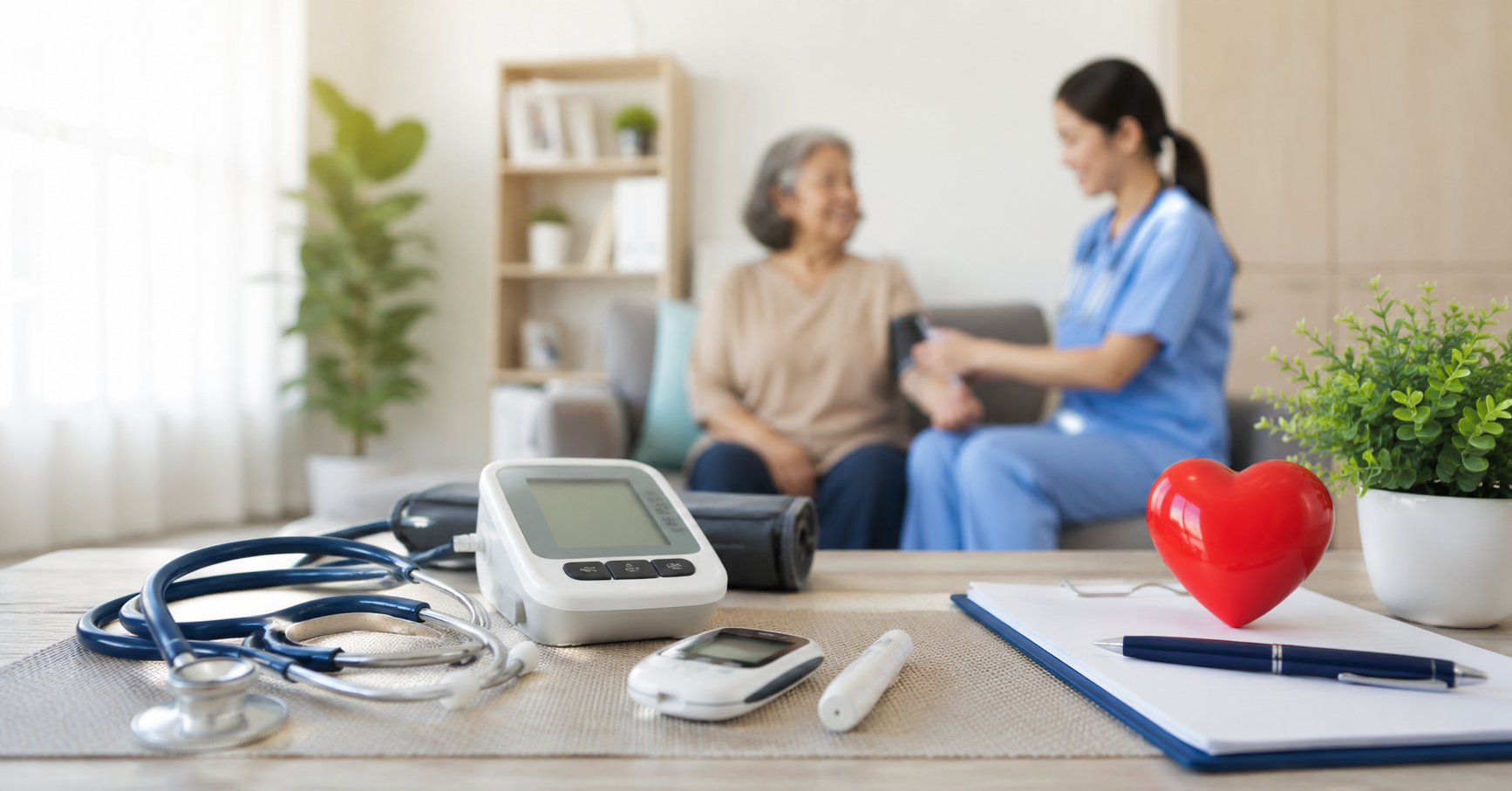
Modern healthcare is increasingly moving beyond hospital walls. With professional home healthcare services, individuals can receive regular health assessments in the comfort of their own homes. This is especially valuable for elderly individuals, patients recovering from surgery, people managing chronic diseases, and individuals with limited mobility. Home-based monitoring offers convenience, comfort, and continuity of care while helping families stay informed about their loved one’s health.
Final Thoughts
Good health rarely happens by accident. It is often the result of consistent attention, timely intervention, and proactive care. Regular health monitoring empowers individuals and families to take control of their health rather than react to medical emergencies. The earlier a problem is identified, the greater the opportunity to manage it effectively.
In preventive healthcare, awareness is important—but monitoring turns awareness into action. At ORGlife Healthcare, we believe that proactive health monitoring and compassionate home healthcare support can help individuals live healthier, safer, and more independent lives.